How to Build Systems to Actually Achieve Your Goals
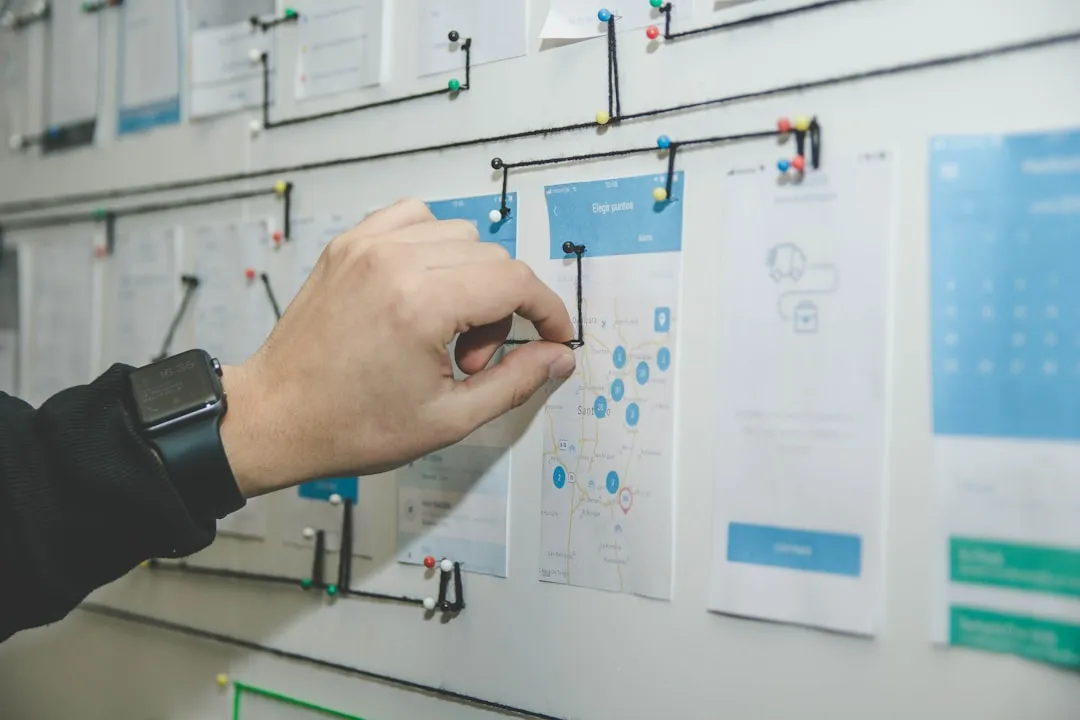
Source: Jim Fan Academy
Goals are good for setting direction, but systems are best for making progress.
That simple truth separates the dreamers from the doers.
Most people don’t fail because they set the wrong goals. They fail because they never built a system to reach them. They get excited. They make plans. They write it all down. But when the real world shows up with distractions, stress, and setbacks, their goals disappear into the background.
Here’s the truth: Motivation is a spark. It feels great, but it burns out fast. What you need isn’t more hype. You need a machine. A repeatable process. A system that keeps moving even when your energy doesn’t.
This isn’t about working harder. It’s about working smarter with structure.
Chapter 1: Stop Chasing Goals Without a Game Plan

You’ve heard it before: set big goals, aim high, dream big. And that’s fine. But here’s the real reason most people never get there: they’re chasing goals without a game plan.
They get fired up, write down a dream like “I want to lose 20 lbs” or “I want to build a business,” and then—nothing. No system, no process, just raw enthusiasm. And that wears off by week two.
A goal without a plan is just a wish.
You need more than intention. You need structure.
Think about it like this: A goal is the destination, but your system is the road that takes you there. If you don’t have a clear road to follow, you’ll get lost every time, no matter how passionate you are at the starting line.
Let’s say someone wants to write a book. They set a goal: write a 300-page novel. Great. But if they don’t set a daily writing schedule, if they don’t decide how many words they’ll write per day, or how they’ll handle edits, feedback, or inspiration droughts—they’re stuck.
A system would say: “Write 500 words every morning from 7 to 8:00 a.m., no matter what.” That’s a plan. That’s the game.
The truth is, people love the high of goal setting because it feels like progress. You feel productive just writing it down. But execution is where everything changes.
Key Takeaways:
- Stop focusing so much on the finish line and start building the track under your feet
- Your game plan doesn’t have to be complicated—the simpler it is, the more likely you’ll stick with it
- Discipline beats motivation, but discipline comes from systems
- When your next move is clear, you don’t waste energy guessing or doubting—you just execute
Chapter 2: Build Habits That Run on Autopilot

Let’s get one thing straight: willpower is not a reliable partner. It comes and goes. Some days you wake up ready to take on the world. Other days you can’t even take on your alarm clock.
That’s why relying on motivation is a trap. If you only work when you feel like it, your results will be inconsistent, scattered, and weak.
But if you build habits—real, repeatable habits—your success starts to run on autopilot.
Habits are the hidden engines behind every successful person. Not flashy, not exciting, but powerful. Because once a habit is built, it stops requiring effort. It becomes automatic.
You don’t think about brushing your teeth. You just do it. Imagine if working out, planning your day, reading, writing, or saving money became just as natural. That’s the goal: turn effort into instinct.
The Mistake Most People Make
They try to overhaul everything at once. They make a long list: wake up at 5:00 a.m., go to the gym, journal, meditate, read, eat healthy, build a side business—all starting Monday. And by Wednesday, it’s all out the window.
Why? Because they’re trying to change through intensity, not consistency.
But lasting change doesn’t come from a sprint. It comes from daily, repeatable effort done until it becomes who you are.
Start small. One habit, one system at a time. If your goal is to get fit, don’t commit to an hour-long workout every day right away. Start with a 10-minute walk after dinner. Simple, easy, but consistent. That’s how you build trust with yourself. And once the habit sticks, you add more. Stack it. Expand it. But never skip the foundation.
Your habits reveal what you’re actually committed to, not what you say you want.
Think of your daily habits like a script you’re programming into your life. You’re not leaving your success up to chance anymore. You’re not depending on being in the mood. You’re building a system that works in the background, carrying you forward without constant effort.
Chapter 3: Design Your Environment to Work for You

You can have the strongest will in the world, but if your environment is working against you, it’s only a matter of time before it breaks you.
People underestimate how much their surroundings shape their behavior. You’re not just a product of your choices. You’re a product of your setup.
If your phone is always buzzing with distractions, if your workspace is cluttered, if your kitchen is filled with junk food—you’re not just fighting laziness, you’re fighting your environment.
And here’s the truth: it’s hard to stay consistent when everything around you pulls you in the opposite direction.
That’s why the smart move isn’t to fight harder, it’s to design better. Design your environment like your future depends on it, because it does.
Practical Environmental Design
| Goal | Environment Hack |
|---|---|
| Focus better | Remove distractions, turn off notifications, use website blockers, clean your desk |
| Eat better | Throw out the junk, prep healthy food in advance |
| Work out more | Lay out gym clothes the night before |
| Write more | Keep notebook or laptop open and ready in the morning |
| Save money | Set up automatic transfers to savings |
| Read more | Keep a book on your nightstand instead of your phone |
The simple rule: What’s easy gets done. What’s in front of you gets used.
This isn’t about discipline. It’s about reducing friction. When your environment supports your habits, your goals become easier to reach—not because you suddenly became more motivated, but because the system you built finally stopped fighting you and started carrying you.
Chapter 4: Make Success Boring and Repeatable

People chase excitement like it’s the key to success. But here’s the hard truth: success is usually boring. Not flashy, not dramatic—just consistent. Day in and day out doing the work when nobody’s watching. When it doesn’t feel exciting, when there’s no applause. That’s where real growth happens.
The world sells you the highlight reel: overnight wins, massive breakthroughs, fast money. But the people who actually win build systems that make success repeatable. They remove the guesswork. They do the same simple, effective things over and over until it’s second nature. Not because it’s thrilling, but because it works.
The real pros treat progress like a job. They don’t ask, “Do I feel like it today?” They ask, “What’s the system I follow regardless of how I feel?” They wake up, they follow the routine, they do the task. No drama, just discipline.
Think of any great athlete. Their practice isn’t glamorous. It’s repetitive. Drills, warm-ups, recovery—again and again. The best writers: same schedule, same word count target every single day. The top entrepreneurs run boring systems: budgets, checklists, calendars, SOPs—because they know the magic is in the repeatable.
Momentum doesn’t live in novelty. It lives in repetition.
Your system doesn’t need to be complicated. It needs to be consistent. One solid morning routine, one clear block of focus time, one method for tracking results. Once it’s locked in, you don’t reinvent it every week. You let it run like clockwork.
And yes, it might feel boring at times. That’s okay. In fact, that’s a sign it’s working. If your system feels automatic, if your routine feels predictable, that means you’ve removed resistance. That means you’ve taken the emotion out of execution. That’s when you know you’re on the right track.
Chapter 5: Track Progress Like It’s Your Job
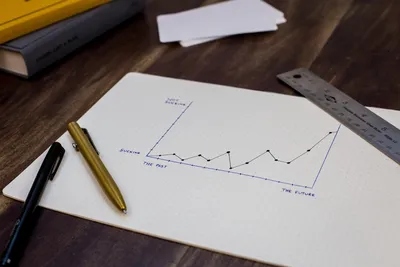
If you don’t track it, you’ll lose it. That’s the reality.
You can’t manage what you don’t measure. You can’t improve what you don’t observe. Yet most people try to hit their goals by guessing. They rely on gut feelings instead of data. They think they’re making progress, but they never actually check. And that’s how you stay stuck—by being blind to the truth.
Tracking isn’t about perfection. It’s about clarity. It’s about knowing where you stand, not where you hope you are.
Whether it’s your finances, your fitness, your habits, or your business—if you want real results, you need real numbers. Because numbers tell the truth, even when you don’t want to hear it.
Let’s say your goal is to get in shape. You’re working out, eating better, feeling good. But if you’re not tracking your workouts, your steps, your weight, or your measurements, how do you know it’s working? You don’t. You’re hoping. You’re assuming.
But when you track it daily, weekly, consistently—you see the patterns. You notice what’s working. You fix what’s not.
The same goes for time. Want to get more done? Start tracking where your hours go. You’ll be shocked how much time is leaking into distractions. But once you see it, you can fix it. Because awareness creates control.
Simple Tracking Tools
- A notebook
- A habit tracker
- A whiteboard
- Your phone’s notes app
- A simple spreadsheet
The tool doesn’t matter. The commitment does.
Make tracking part of your routine, not an afterthought. Ten minutes a day is all it takes to stay honest with yourself.
And here’s the best part: tracking creates momentum. When you see a streak, you want to keep it alive. When you watch your progress stack up, your belief grows. And belief is everything. It’s the fuel that keeps you showing up, especially when results come slow.
Chapter 6: Stack Your Wins and Build Momentum

Success doesn’t happen with one giant leap. It happens through a series of small wins stacked day after day. That’s how momentum is built. Not from hype, not from some magical breakthrough, but from consistent effort that adds up over time.
Most people overlook this because they’re too busy chasing the big moment. But here’s the truth: you don’t need a big win. You need a bunch of small ones that lead you there.
Momentum is what happens when you create a pattern of victory. Even if it’s tiny:
- You drank enough water today. That’s a win.
- You made your bed. Another win.
- You stuck to your morning routine. You showed up and did the work. Even if it wasn’t perfect.
Stack those wins. They count. They build. And more importantly, they shift your identity.
Every time you follow through, you’re proving something to yourself. You’re reinforcing the idea that you’re someone who gets it done. And once your brain starts to believe that, everything changes. You stop negotiating with your goals. You stop making excuses. You start executing.
Make Winning Easier
You’ve got to make winning easier in the beginning. Set the bar low enough to clear it, but high enough to be meaningful. Don’t try to climb the entire mountain in a day. Just take the next step.
If you haven’t worked out in months, don’t commit to an hour at the gym. Just show up for 10 minutes. That’s a win.
The point isn’t intensity, it’s consistency. The more wins you rack up, the stronger your momentum gets. You’ll feel it. You’ll move faster with less resistance. You won’t need to hype yourself up every day because the process starts to carry you.
Momentum works like compound interest. Each win adds weight to the next one.
But this only works if you track and recognize those wins. Celebrate them—not with parties or trophies, but with acknowledgement. Say it to yourself: “I did what I said I’d do.” That’s powerful. That builds trust. And trust in yourself is the foundation of all lasting success.
Chapter 7: Create Fail-Safes for When Life Gets Messy

No matter how disciplined you are, life will test you. You’ll get sick. Your schedule will get flipped. Motivation will vanish. Family emergencies will happen. That’s just life.
And if your system only works when everything is perfect, then you don’t have a real system. You have a fragile plan waiting to break.
A smart system prepares for the mess. It expects bad days. It’s built with fail-safes.
Because let’s be honest: motivation is a luxury. What you need is a process that still works when you’re tired, distracted, or overwhelmed. That’s how the pros do it. They don’t rely on ideal conditions. They build routines that hold up when things go sideways.
What Is a Fail-Safe?
A fail-safe is a backup plan—a simplified version of your routine that still moves you forward, even if just by an inch.
- Can’t do your full workout? Fine. Do 15 minutes of stretching or push-ups at home.
- Can’t meal prep for the week? Make a quick healthy option instead of grabbing fast food.
- Don’t have time to journal for 30 minutes? Write down three sentences.
The point isn’t to be perfect. The point is to stay in motion.
When life hits hard, the most dangerous thing you can do is stop completely. Because getting started again takes 10 times more energy. But if you have a fallback—something so simple, so easy, that it keeps the habit alive—you protect your momentum. You keep the wheels turning, even if they’re moving slowly.
Those small fallback routines keep your identity intact. You don’t see yourself as someone who quit. You see yourself as someone who adapts.
Your fail-safes should be pre-planned. Don’t wait until chaos shows up to figure it out. Write it down. Decide now what your bare minimum looks like for your top priorities. What’s the smallest version of progress you can still make even on your worst day? That’s your emergency system. That’s your safety net.
Chapter 8: Don’t Rely on Memory—Use Tools

Let’s be honest: your brain is not a storage unit. It’s not meant to hold every task, every deadline, every idea, and every reminder. Yet that’s exactly what most people try to do.
They walk around with mental to-do lists, hoping they’ll remember everything at the right time. But here’s the truth: when your mind is cluttered, your focus is scattered. You’re not thinking clearly. You’re just trying to keep up.
Success isn’t about remembering more. It’s about offloading the mental weight. And that’s where tools come in.
The smartest performers in any field don’t rely on memory. They build systems: calendars, checklists, timers, apps, notebooks, whiteboards. These aren’t just accessories—they’re essentials. They’re how you keep your goals organized, your time managed, and your stress under control.
Think of your brain as a command center, not a filing cabinet. Its real power comes from clarity, decision-making, and creativity—not storing tasks. The more you can get out of your head and into a trusted system, the more mental energy you free up for the things that actually matter.
That’s not laziness. That’s leverage.
Start Simple
- Use a calendar to block time for important routines
- Use a task manager to organize your weekly priorities
- Write down your goals where you can see them every day
- Keep a running list of ideas, errands, habits, and reminders
It doesn’t matter if it’s a digital app or a paper planner. What matters is that you stop forcing your brain to juggle it all.
Even something as simple as a morning checklist can be a game-changer. When you wake up, your brain doesn’t have to decide what to do. It just follows the list. That removes friction. That speeds up momentum. That puts your success on rails.
Stop trying to be the hero who remembers everything. That’s not strength. That’s stress.
Strength is knowing how to build a system that works for you. Strength is using tools so you can focus on action, not anxiety. Get it out of your head. Get it onto paper, into an app, onto a board—anywhere but inside your brain. Because the less you carry in your mind, the more energy you’ll have to go out and get things done.
Chapter 9: Tie Your System to Your Identity

If your system is just about getting things done, it won’t last. But if it’s built around who you want to become, everything changes.
Because when your identity shifts, your behavior follows.
This is the missing link most people never see. They try to change their habits without changing how they see themselves. But true transformation happens from the inside out.
If you tell yourself, “I’m trying to get in shape,” you’re still identifying as someone not in shape. That’s a temporary effort. But if you say, “I’m someone who takes care of my body,” that identity starts to shape your choices. Going to the gym isn’t a chore anymore. It’s just something someone like you does.
You don’t rise to the level of your goals. You fall to the strength of your systems.
And strong systems are built around who you believe you are.
That’s why it’s not enough to write down what you want. You’ve got to decide who you are becoming, then build routines that reinforce it.
Let’s say you want to become a disciplined person. What would someone like that do each day? Maybe they wake up early, plan their day, stick to their routines, and don’t make excuses. If you create a system around those actions, you’re not just completing tasks—you’re shaping a new identity.
Every repetition is a vote for the person you’re becoming.
And here’s the powerful part: once your identity locks in, your habits become easier. You don’t have to force them. You don’t have to negotiate with yourself every morning. You just live in alignment.
You’re no longer pretending to be productive. You are a productive person. You’re not trying to act motivated. You are someone who shows up no matter what.
But identity doesn’t come from thinking. It comes from doing. You don’t become a writer by thinking about writing. You become a writer by writing every day. You don’t become financially disciplined by reading money tips. You become financially disciplined by tracking your spending, saving consistently, and saying no when it matters.
So the question isn’t just what do I want to achieve? It’s who do I want to become?
Once you answer that, build your system to match it. Let your actions echo your identity. Let your routine speak louder than your goals. Because when your system aligns with your identity, you don’t have to force results. You become the kind of person who naturally creates them.
Chapter 10: Eliminate the Optional—Make It Non-Negotiable
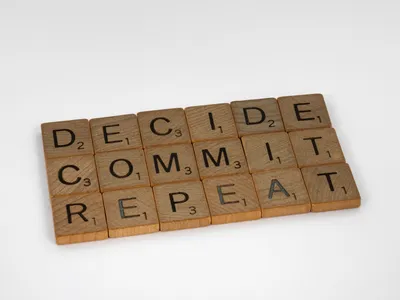
Here’s a hard truth: as long as something is optional, it will get skipped. It doesn’t matter how motivated you are. If you give yourself the option to back out, eventually you will.
That’s why successful people remove the option altogether. They build systems filled with non-negotiables. No debating, no delaying, no “maybe later”—just action.
Think about how you treat things that are truly non-negotiable. You don’t decide whether or not to brush your teeth. You don’t consider if you’re going to show up for work when your paycheck depends on it. You just do it because it’s locked in. It’s not on the table for discussion.
Now, imagine if you treated your personal goals the same way. What if your workout wasn’t optional? What if working on your business, saving money, reading, or journaling wasn’t something you try to fit in—it was something you always do?
That small shift turns wishful thinking into real progress.
The Problem with “Try”
Most people build systems full of flexibility. They say things like, “I’ll try to work out” or “I’ll try to eat healthy.” Try. That’s a weak word. That’s permission to fail. There’s no commitment in try. There’s only commitment in do.
So here’s the mindset shift: decide what matters most and make it non-negotiable. No skipping, no excuses, no emotional vote. You do it because that’s what someone committed to the result does.
Now, does that mean you go 100 miles per hour every single day forever? No. But it does mean you show up somehow, some way, every single day. Even on low energy days, even when life gets messy—you adjust the intensity, not the commitment.
Amateurs do it when they feel like it. Professionals do it because it’s part of the system.
Start by picking three things in your life that matter most to your goals. Not 10. Just three. Then turn those into daily or weekly non-negotiables. Maybe it’s a 30-minute workout. Maybe it’s writing 500 words. Maybe it’s reviewing your budget. Whatever it is, lock it in. Put it on your calendar. Make it a rule, not a request.
And when your mind starts to make excuses—and it will—don’t argue. Just remind yourself: this isn’t optional. You can negotiate with everything else, but not with this. These are the pillars of your system. You don’t mess with the foundation.
Because when you treat your goals like an option, they’ll always come last. But when you treat them like a priority, they’ll finally get the respect—and the results—they deserve.
Chapter 11: Audit, Adjust, and Improve the System
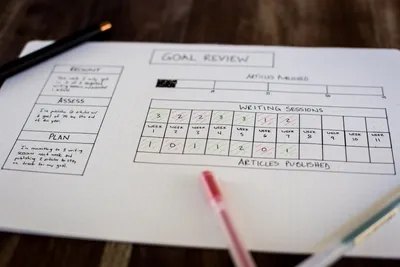
No system is perfect from day one. That’s just the truth. You’re not going to build a flawless routine on the first try, and you shouldn’t expect to.
The goal isn’t perfection. It’s progress. What matters most is that you’re building something. Then over time, you audit it, adjust it, and improve it. That’s how real success is created—not in one big leap, but through consistent upgrades.
Think about it like this: a system is like a machine. When you first build it, it might clunk a little. It might stall. It might even break down here and there. But that doesn’t mean you throw it out. It means you fix it. You tweak it. You oil the gears. You improve the setup. And every time you do, it gets smoother, stronger, more efficient.
This is where most people drop the ball. They build a routine, try it for a few days or weeks, and when something doesn’t feel perfect, they quit. But quitting isn’t the answer. Reviewing is.
You’ve got to step back regularly and ask yourself:
- What’s working?
- What’s not?
- Where am I wasting time?
- What part of this system feels heavy?
- What part feels light?
That kind of reflection isn’t just helpful—it’s essential. Because your life changes. Your schedule shifts. Your energy levels fluctuate. What worked six months ago might not work today. So your system has to evolve with you.
A system is meant to serve you, not the other way around.
Let’s say you plan to wake up at 5:00 a.m. every day, but after two weeks, you’re hitting snooze five days out of seven. Don’t just call yourself lazy. Ask yourself why. Maybe 5:00 a.m. is too early based on your current lifestyle. Maybe 6:00 a.m. with a better nighttime routine would be more realistic. That’s not quitting. That’s adjusting.
The same goes for habits, tracking methods, even your environment. If your current way of tracking progress feels like a chore, change it. Find a method that fits you. Don’t force yourself into a system that drains you. Build one that supports you.
Remember: you are not locked into one way of doing things. In fact, if you’re not improving the system regularly, you’re falling behind. Because the moment you stop adjusting is the moment you start drifting.
Don’t let that happen. Audit often. Adjust boldly. Improve consistently. That’s how you build a system that doesn’t just work—it wins.
Chapter 12: Let the System Carry You

When motivation dies, here’s the final truth you need to understand: motivation will fail you. It’s not a matter of if, it’s a matter of when.
No matter how inspired you feel today, there will come a time when the fire fades. You’ll wake up tired. Life will get chaotic. The mood just won’t be there. And in that moment, your entire future depends on one thing: your system.
Motivation is a burst of energy, a spark. It gets you started, and that’s great. But you can’t build a life on sparks. You need a foundation. You need structure.
That’s why systems matter. When motivation is gone—and it will go—it’s your system that keeps you moving.
Think about brushing your teeth. You don’t need motivation to do it. You just do it. It’s part of your system. It’s a habit baked into your routine. That’s exactly what you need for the goals that actually matter to you.
Whether it’s working out, writing, saving money, studying, or building something meaningful—you need to turn the action into a default setting, not a decision you have to debate every day.
And that’s the beauty of a well-built system: it removes the need for emotional energy. You don’t have to feel inspired to execute. You just follow the process. Even on the hard days. Especially on the hard days. That’s when it matters most.
Here’s something you must accept: not every day will be amazing. You won’t always feel like pushing. That’s reality. But what separates the successful from the stuck is this: successful people don’t wait to feel good. They keep showing up because their system is already in place. It tells them what to do, when to do it, how to do it. And because they trust the system, they stay on track.
When your mind says “skip it,” your system says “do it anyway.”
And you listen—not because you’re inspired, but because you’ve trained yourself to show up no matter what.
You won’t win every day, but your system ensures you never fall too far behind. And over time, that consistency becomes your advantage. While everyone else is starting and stopping, hyped up one week and burned out the next, you’re still moving forward—quietly, steadily, powerfully.
So build your system strong enough to carry you on the days you feel weak. Let it become the structure that holds you together when motivation can’t. Because when others are waiting for the right time, you’ll already be miles ahead—thanks to the system you trusted when the feelings were gone.
Final Thoughts: Build It, Stick to It, Watch What Happens
Remember this: success isn’t about how fired up you feel. It’s about how well you follow through without the fire. That’s the final piece. That’s what makes the system unstoppable.
You’ve just walked through 12 powerful principles. 12 ways to stop guessing and start building. From turning your goals into game plans, from designing your environment to tracking your progress, from creating backup routines to locking in non-negotiables—you now have a blueprint.
A blueprint that isn’t based on hype. It’s based on action.
The difference between people who dream and people who achieve is simple: achievers don’t wait for the perfect day. They don’t rely on good moods or lucky breaks. They build something that works day in, day out. Something that guides them when they’re tired, lifts them when they’re down, and holds them accountable when excuses show up.
So here’s the challenge: don’t just walk away inspired. Walk away equipped.
Take what you’ve learned and apply it. Choose one habit to build, one distraction to remove, one routine to reinforce. Then build from there—slowly, steadily, with purpose.
You don’t need to be perfect. You don’t need to do it all at once. But you do need to take control.
Because if you don’t build a system, you’ll always be at the mercy of your feelings. But when you do build one, when you truly commit, your progress becomes predictable, your wins become repeatable, and your goals start chasing you.
So the next time motivation fades—and it will—don’t panic. Don’t stop. Just fall back on the system you built. Let it carry you. Let it guide you. Let it become the foundation of the life you want.
Your future won’t be shaped by what you hope for. It will be shaped by what you do daily. And the best way to control what you do daily is with a system that never quits.
Now go build it. Stick to it. And watch what happens when discipline becomes your default setting.
That’s how goals get done. That’s how real success is built.
One system at a time.